Choosing the Right Fleet for Your Project: A Complete Guide to Safe and Efficient Transportation
In transportation, logistics, construction, and contracting projects, selecting the right fleet is one of the most important decisions for ensuring safe, reliable, and efficient operations. Every project has different transportation requirements depending on the type of cargo, equipment size, weight, distance, road conditions, and delivery schedule.
A properly selected fleet can make a significant difference in project efficiency. The right vehicles help ensure that heavy machinery, construction equipment, oversized cargo, and specialized materials can be transported safely while minimizing delays, operational risks, and unnecessary costs.
At The Prime Grace Trading Contracting & Logistics, we understand that successful transportation is not simply about moving cargo from one location to another. It requires proper planning, suitable equipment, experienced operators, and a clear understanding of the project’s specific requirements.
Understanding Your Project Requirements
Before selecting a vehicle or transportation solution, it is essential to understand exactly what needs to be transported.
Important factors include:
- Type and dimensions of the cargo
- Total cargo weight
- Loading and unloading requirements
- Transportation distance
- Road and site conditions
- Required delivery schedule
- Special handling requirements
- Safety and regulatory considerations
For example, transporting standard materials may require a different vehicle from transporting excavators, cranes, generators, industrial equipment, or oversized machinery.
Understanding these requirements at the beginning of a project allows the transportation team to select the most appropriate fleet and avoid unnecessary complications during delivery.
Selecting the Right Type of Vehicle
Different transportation tasks require different types of vehicles and equipment. Using the correct vehicle can improve loading efficiency, reduce transportation risks, and protect both the cargo and the surrounding environment.
Depending on the project, a fleet may include:
Heavy-Duty Trucks
Heavy-duty trucks are suitable for transporting construction materials, machinery, industrial equipment, and other heavy cargo over different distances.
Their strength and load capacity make them an important part of many construction and logistics operations.
Lowbed and Flatbed Trailers
Lowbed trailers are particularly useful for transporting heavy machinery such as excavators, bulldozers, loaders, cranes, and other construction equipment.
Their low loading height provides better stability and makes it easier to transport large machinery safely.
Flatbed trailers provide flexibility for cargo that may not require an enclosed transportation environment. They are commonly used for equipment, structural materials, pipes, steel products, and other large items.
Specialized Transportation Equipment
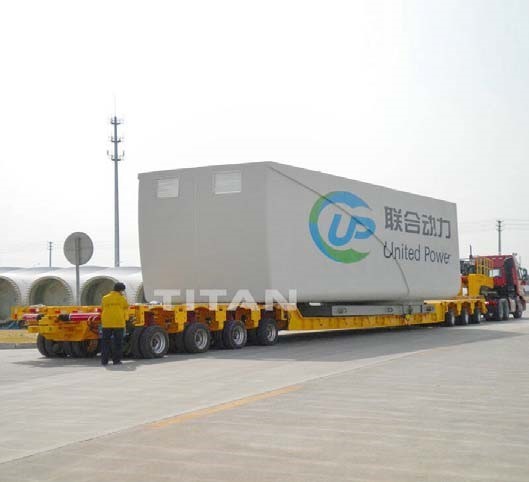
Some projects involve cargo that cannot be transported using standard vehicles. Oversized, unusually shaped, or exceptionally heavy loads may require specialized trailers, additional support equipment, route planning, and professional handling.
In such situations, transportation planning becomes just as important as the vehicle itself.
Safety Should Always Come First
Safety is a fundamental part of professional transportation.
Heavy and oversized cargo requires proper loading, securing, weight distribution, and inspection before transportation begins. Even a small mistake during loading or securing can create significant risks for drivers, equipment, cargo, and other road users.
A professional transportation operation should consider:
- Proper cargo securing
- Correct weight distribution
- Vehicle inspection
- Safe loading and unloading procedures
- Driver and operator experience
- Route conditions
- Weather and environmental factors
- Compliance with applicable transportation requirements
At The Prime Grace, safety-focused planning helps ensure that transportation activities are carried out responsibly and efficiently.
The Importance of Route Planning
Choosing the right vehicle is only one part of successful transportation. The route must also be carefully evaluated.
Large or heavy equipment may face restrictions caused by narrow roads, bridges, low-clearance structures, difficult turns, construction zones, or challenging site entrances.
Professional route planning helps identify potential problems before transportation begins. It can also reduce unnecessary delays and improve delivery reliability.
For large projects, transportation teams may need to coordinate with project managers, site supervisors, drivers, and other stakeholders to ensure that the planned route is suitable for the selected fleet.
Improving Project Efficiency
An appropriate fleet does more than transport cargo. It can directly influence the overall efficiency of a project.
When the right vehicle is selected, loading and unloading can become faster and more organized. This reduces unnecessary waiting time and allows equipment and materials to reach the project site according to schedule.
Efficient fleet selection can help:
- Reduce transportation delays
- Improve equipment utilization
- Minimize unnecessary trips
- Reduce operational costs
- Protect valuable equipment
- Improve project scheduling
- Support safer operations
For contractors and project managers, these improvements can contribute significantly to keeping projects on schedule.
Fleet Maintenance and Reliability
A professional fleet must be properly maintained. Even the most suitable vehicle can become a source of delays if it is not regularly inspected and serviced.
Routine maintenance should include checking essential mechanical and safety components, monitoring vehicle condition, and addressing potential issues before they become major problems.
Reliable vehicles help transportation companies maintain consistent service and reduce unexpected breakdowns during critical project operations.
Fleet reliability is especially important for large construction and industrial projects where transportation delays can affect multiple stages of work.
Why Experience Matters
Transportation of heavy machinery and specialized cargo requires more than suitable vehicles. It also requires experience.
Experienced transportation teams understand the importance of proper loading techniques, cargo securing, route planning, communication, and coordination with project teams.
Every project presents different challenges. A professional logistics partner should be able to evaluate those challenges and develop a transportation approach based on the actual requirements of the project rather than using the same solution for every situation.
Choosing a Reliable Logistics Partner
When selecting a transportation and logistics company, businesses should consider more than fleet size.
Important factors include:
- Fleet capability
- Experience with heavy transportation
- Safety practices
- Equipment condition
- Professional drivers and operators
- Route planning capability
- Communication and coordination
- Reliability and delivery performance
A strong logistics partner works closely with the client to understand project requirements and provide an appropriate transportation solution.
The Prime Grace Approach
At The Prime Grace Trading Contracting & Logistics, our approach is focused on providing dependable transportation and logistics solutions for demanding projects.
We understand that every project has its own requirements. From heavy machinery and construction equipment to oversized and specialized cargo, transportation must be planned carefully from the beginning.
Our focus is on combining suitable fleet capabilities, professional planning, safety-conscious operations, and reliable project coordination to help our clients move their equipment and materials efficiently.
Whether a project requires standard transportation or specialized heavy-haul solutions, proper planning allows every stage of the transportation process to be handled with greater confidence and control.
Conclusion
Choosing the right fleet is a critical part of successful transportation and logistics operations. The correct vehicle can improve safety, reduce delays, protect valuable cargo, and contribute to the overall efficiency of a project.
However, effective transportation is not determined by the vehicle alone. Successful delivery depends on a combination of proper planning, suitable equipment, experienced personnel, route assessment, cargo securing, vehicle maintenance, and clear communication.
For construction companies, contractors, industrial businesses, and project managers, working with an experienced logistics partner can make transportation operations more predictable and efficient.
At The Prime Grace Trading Contracting & Logistics, we believe that every transportation requirement deserves a carefully planned solution. By understanding the nature of the cargo, selecting the appropriate fleet, evaluating transportation conditions, and maintaining a strong focus on safety and reliability, projects can move forward with fewer interruptions and greater efficiency.
The right fleet is not simply a transportation choice—it is an important part of successful project execution.