The Importance of Reliable Logistics in Construction Projects
Construction projects depend on much more than skilled workers and quality materials. Behind every successful project is a carefully coordinated logistics operation that ensures equipment, machinery, materials, and resources reach the right location at the right time.
From large infrastructure developments to industrial construction sites, reliable logistics plays an essential role in maintaining productivity and controlling project costs. Delays in transportation can affect multiple stages of construction, making effective logistics planning a critical part of project management.
Understanding Construction Logistics
Construction logistics involves planning, coordinating, and managing the movement of materials, machinery, equipment, and other resources required for a project.
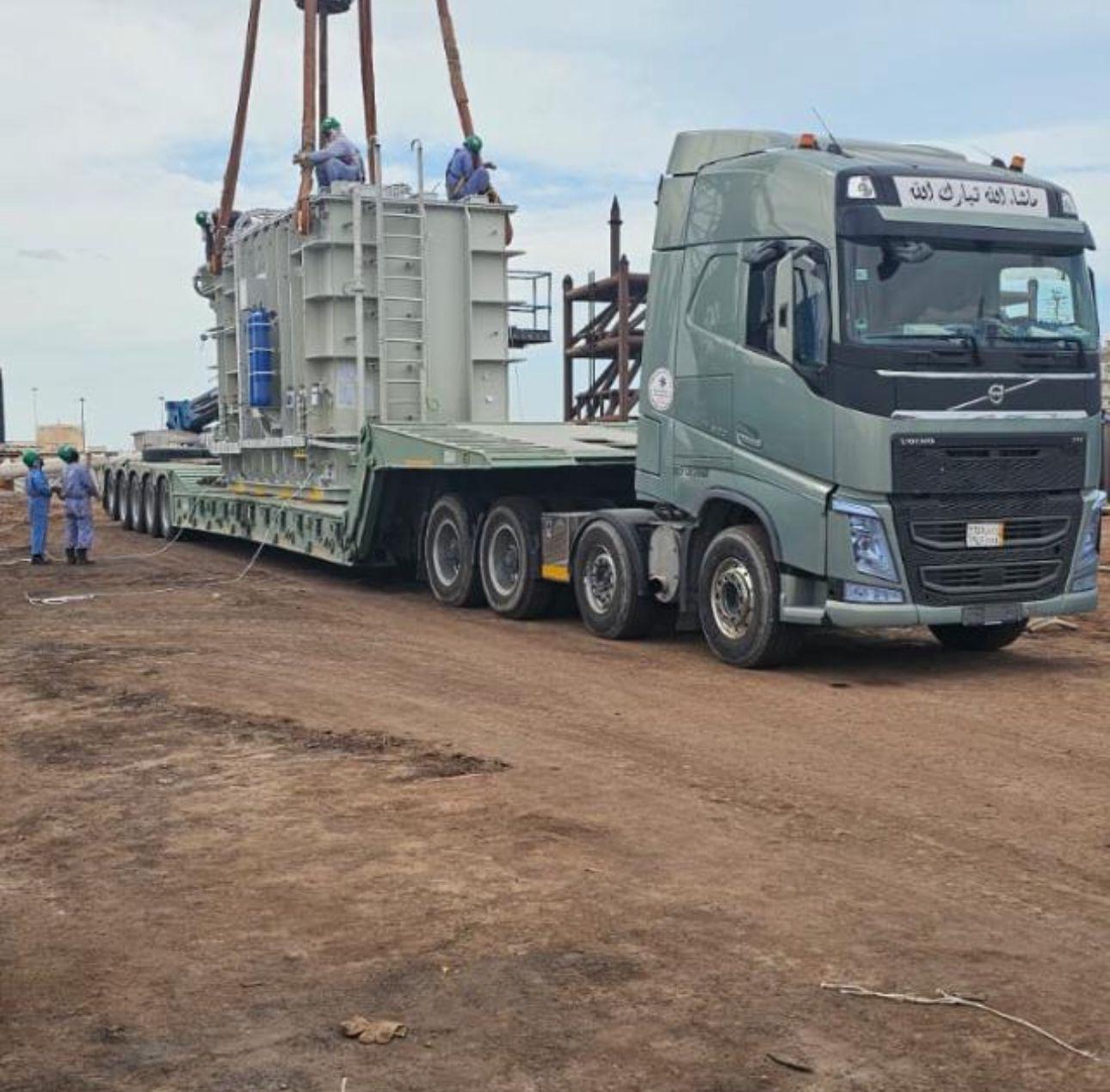
Unlike ordinary transportation, construction logistics often involves challenging requirements. Heavy machinery may need to be transported to remote locations, oversized equipment may require specialized trailers, and construction materials may need to arrive according to specific project schedules.
A successful logistics operation therefore requires careful planning from the beginning.
Why Transportation Planning Matters
Transportation is one of the most important elements of construction logistics.
Before moving equipment or materials, logistics teams need to understand the cargo requirements, transportation distance, site conditions, road accessibility, loading requirements, and delivery schedule.
Proper planning helps identify potential problems before they affect the project.
For example, large construction machinery may require specialized transportation equipment and a carefully planned route. A route that is suitable for standard vehicles may not be appropriate for oversized or heavy equipment.
Reducing Project Delays
Construction projects often operate according to strict schedules. A delay in delivering essential equipment or materials can affect several other activities.
Reliable logistics helps reduce these risks by coordinating transportation according to project requirements.
Timely delivery can help construction teams:
- Maintain project schedules
- Reduce equipment downtime
- Improve workforce productivity
- Avoid unnecessary waiting periods
- Coordinate different project phases
- Reduce transportation-related disruptions
The objective is not simply to deliver cargo, but to ensure that transportation supports the overall project schedule.
Heavy Equipment Transportation
Modern construction projects often require large and specialized machinery, including excavators, loaders, cranes, bulldozers, generators, and other industrial equipment.
Moving this equipment requires appropriate vehicles, secure loading methods, experienced operators, and route planning.
The selected transportation solution should consider the equipment’s dimensions, weight, loading method, and destination conditions.
A suitable fleet allows heavy machinery to be transported more safely and efficiently.
The Role of Fleet Management
Fleet management is another important part of construction logistics.
A well-managed fleet helps ensure that suitable vehicles are available when projects require them. Regular inspection and maintenance can also reduce the risk of unexpected breakdowns.
Effective fleet management involves:
- Vehicle scheduling
- Regular maintenance
- Driver coordination
- Equipment inspection
- Fuel and operational planning
- Route management
- Transportation documentation
These practices contribute to a more reliable transportation operation.
Communication and Coordination
Construction logistics involves multiple teams and stakeholders. Project managers, site supervisors, drivers, contractors, suppliers, and logistics providers may all need to coordinate with one another.
Clear communication helps ensure that everyone understands delivery schedules, site requirements, loading instructions, and potential changes.
When communication is organized, transportation teams can respond more effectively to changes in project conditions.
Safety in Construction Logistics
Safety must remain a priority throughout every stage of transportation.
Heavy equipment and construction materials can create significant risks if they are not loaded, secured, and transported correctly.
Professional logistics operations should consider cargo securing, vehicle condition, weight distribution, route conditions, loading procedures, and site access.
Safety-focused planning protects equipment, workers, drivers, and other road users while supporting efficient project execution.
Technology and Modern Logistics
Modern logistics operations increasingly rely on technology to improve visibility and coordination.
Digital communication, vehicle tracking, scheduling systems, and transportation management tools can help logistics teams monitor operations and respond to changing requirements.
Technology can also improve communication between project teams and transportation providers, helping everyone maintain a clearer understanding of delivery status.
Choosing the Right Logistics Partner
Choosing a reliable logistics partner can have a significant impact on a construction project.
Businesses should consider the provider’s fleet capabilities, transportation experience, safety practices, equipment condition, communication, and ability to handle specialized requirements.
A strong logistics provider should be able to understand the project’s requirements and develop a transportation solution that supports the project’s objectives.
The Prime Grace Approach
At The Prime Grace Trading Contracting & Logistics, we recognize the importance of reliable transportation in demanding construction and industrial environments.
Our approach focuses on understanding each project’s requirements and supporting clients with suitable transportation and logistics solutions.
From heavy machinery and construction equipment to specialized cargo, every transportation requirement requires careful consideration of equipment, route, scheduling, safety, and coordination.
Our goal is to help clients move essential resources efficiently while maintaining a strong focus on reliability and professional service.
Conclusion
Reliable logistics is one of the foundations of successful construction project management. The ability to move machinery, materials, and equipment safely and on schedule can directly influence productivity, costs, and project timelines.
Effective logistics requires more than transportation vehicles. It depends on planning, fleet management, safety procedures, route assessment, communication, maintenance, and experienced professionals working together toward a common objective.
For construction companies and contractors, choosing an experienced logistics partner can help reduce transportation challenges and provide greater confidence throughout the project.
At The Prime Grace Trading Contracting & Logistics, we believe that every project deserves a carefully planned logistics solution. By combining appropriate fleet capabilities with professional planning and reliable coordination, transportation can become a valuable part of successful project execution rather than a source of unnecessary delays.
Reliable logistics keeps projects moving, supports productivity, and helps turn complex transportation requirements into organized and efficient operations.